Methane lost with off-gas
Every percent lost is product you paid to make — and a heavier carbon footprint on the gas you sell.
CIRCULAR BIOGAS UPGRADING
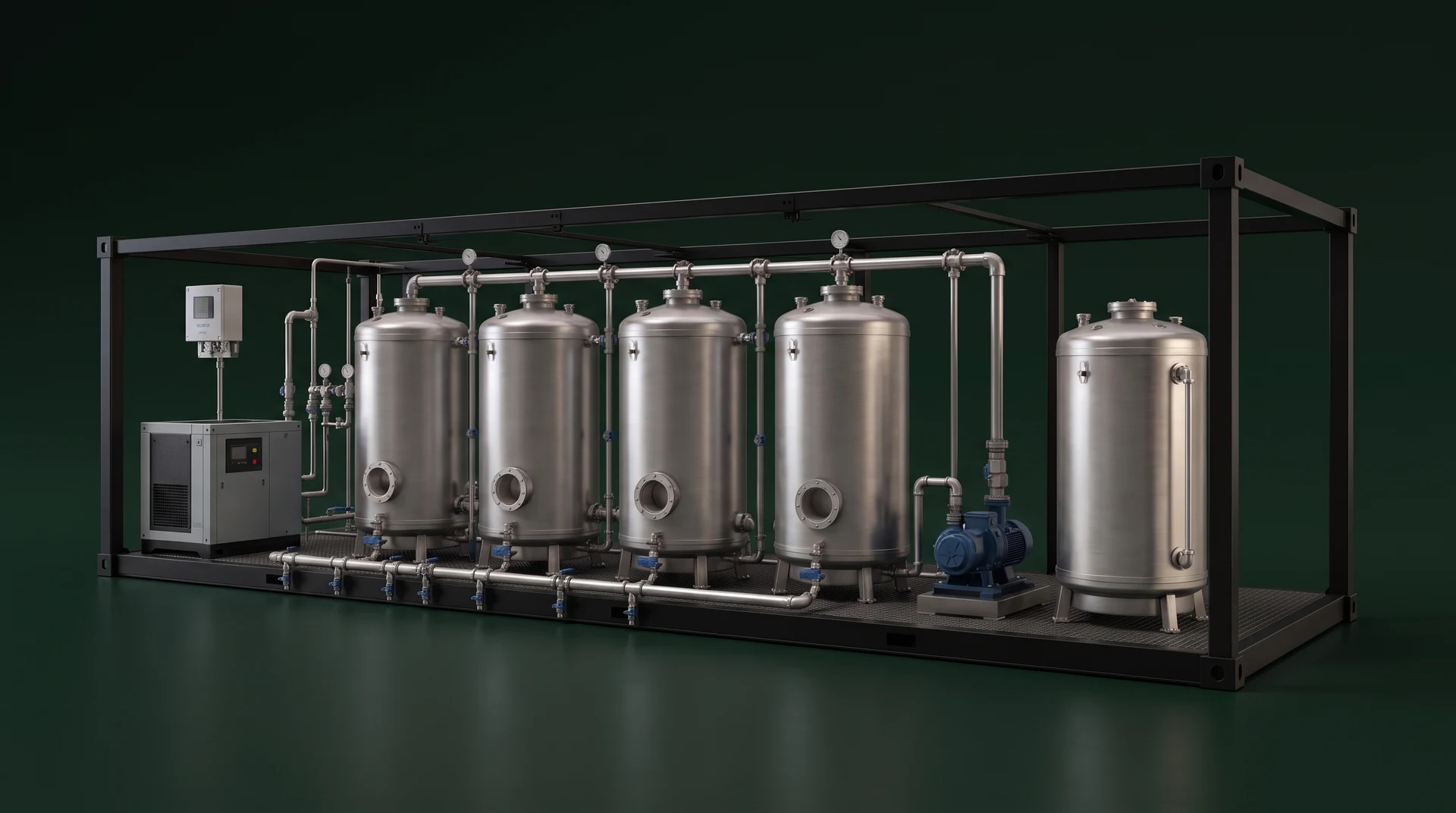
CarboLoop C-300 is a containerised biogas upgrading system by Int-Energia and Metaplasma. It converts raw biogas into biomethane (renewable natural gas, RNG) and captured CO₂ into marketable potassium carbonate. Performance is defined for the agreed feed gas and project requirements.
Raw biogas per module
Biomethane quality*
From one biogas stream
*For an agreed raw-biogas composition.
01 / A NEW CHAPTER FOR BIOGAS
CarboLoop upgrades raw biogas to biomethane and converts captured CO₂ into liquid potassium carbonate. You can arrange carbonate sales directly or discuss a partner off-take agreement for your site.
02 / THE OPERATOR’S CHALLENGE
Every percent lost is product you paid to make — and a heavier carbon footprint on the gas you sell.
Venting or disposal can leave the carbon in your biogas without a commercial use.
Oxygen, nitrogen and other limits vary by network. Non-compliance can mean downtime and lost revenue.
“Good enough” cleaning is no longer enough. The plant has to earn more from the same input.
03 / THE CARBOLOOP DIFFERENCE
An integrated approach that connects methane recovery, CO₂ conversion and the specific requirements of your plant.
Near-complete methane recovery returns methane-bearing streams to the cycle and back to the product.
Captured CO₂ is converted into marketable potassium carbonate — a second commercial product.
CH₄ >98% and H₂S ≈1 ppm.* Add dedicated O₂/N₂ polishing where your network needs it.
Market the carbonate yourself or explore an available reagent-supply and product off-take partner model.
*For an agreed raw-biogas composition. Grid requirements are assessed for each project.
04 / CIRCULAR ECONOMY, BUILT IN
Closed-loop capture & conversion
The energy product your plant is built to deliver.
A second product, with potential use in potassium fertiliser applications.
Captured CO₂ is converted into marketable K₂CO₃ as an integral part of the CarboLoop process.
05 / OPTIONAL O₂ / N₂ POLISHING
A separate, dedicated O₂/N₂ polishing module is available for projects with stringent oxygen and nitrogen specifications. Match the configuration to your network and reduce the risk of injection rejection.
Discuss your grid requirementsSeparate add-on module
Performance is agreed for your raw-biogas composition and the applicable grid requirements.
06 / HOW IT WORKS
CarboLoop C-300 upgrades raw biogas into biomethane and converts captured CO₂ into a marketable potassium carbonate product through an integrated alkaline capture and conversion process.
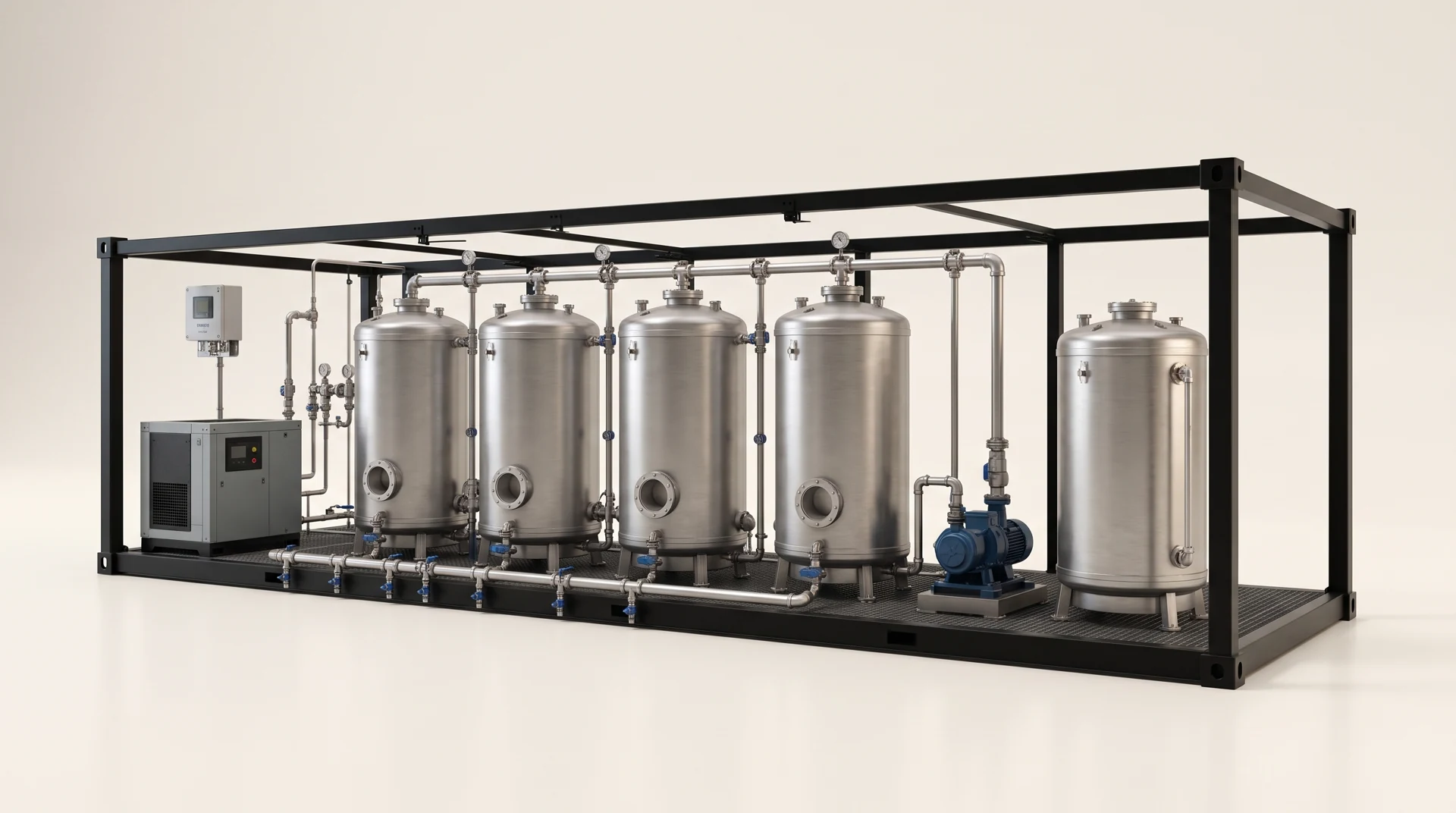
CO₂ and H₂S are chemically removed from the raw biogas in the alkaline absorption stage.
Captured CO₂ is converted into a marketable liquid potassium carbonate product within the integrated CarboLoop process.
Biomethane leaves the system at >98% CH₄.* The liquid potassium carbonate product is withdrawn as a ready commercial product for use or sale.
07 / YOUR PLANT. YOUR MODEL.
Send your gas flow and composition. We’ll estimate the module count, identify any additional treatment and prepare an indicative economic assessment for your plant.
01 / PRODUCT OWNERSHIP
Handle carbonate sales yourself and develop a second commercial outlet alongside biomethane.
02 / PARTNER MODEL
Explore an available partner model for reagent supply and carbonate off-take. Scope and availability are agreed per project.
CONFIGURATION FOR YOUR SITE
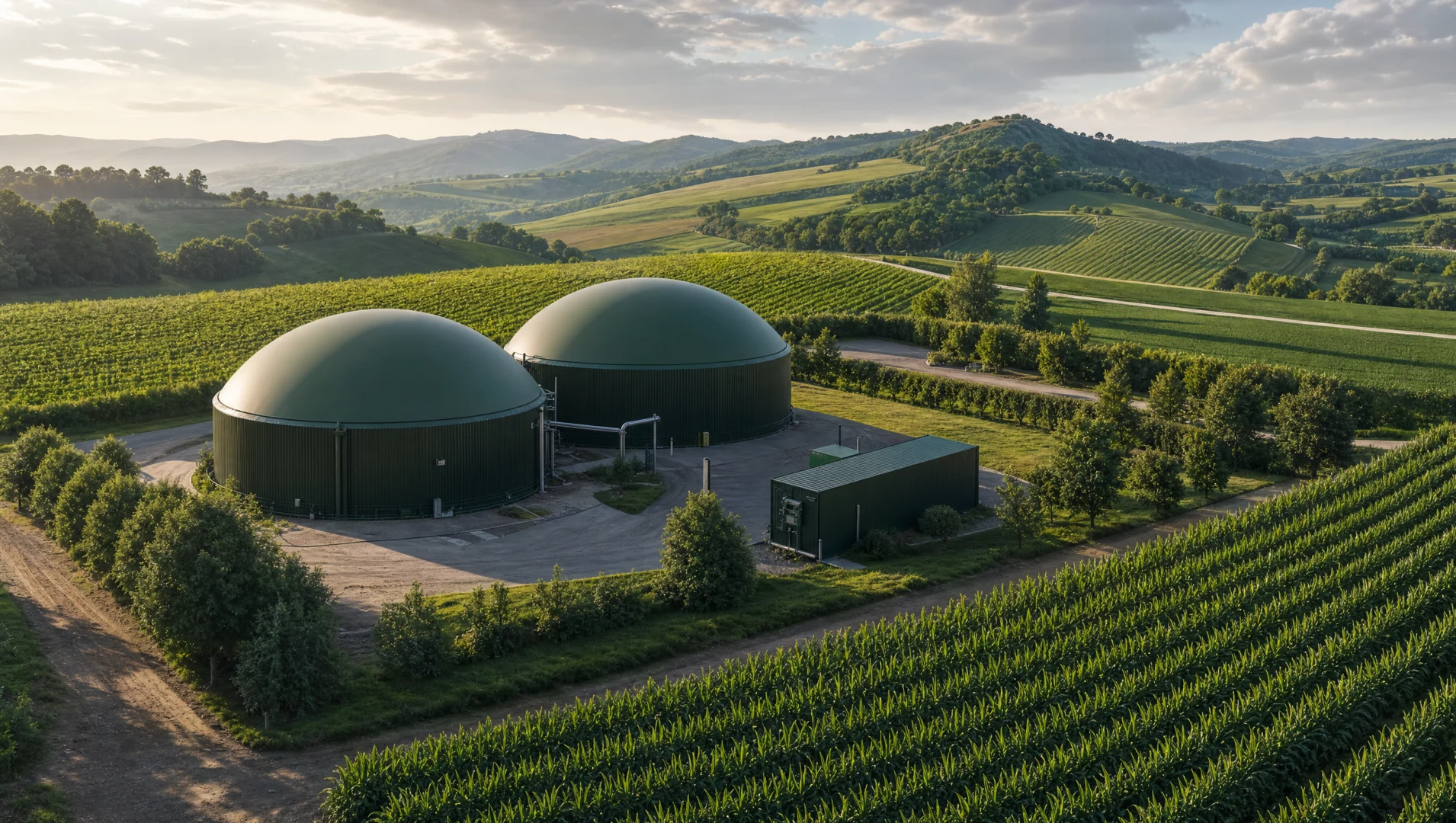
CarboLoop combines raw-biogas upgrading to biomethane with captured CO₂ conversion to liquid potassium carbonate. Project assessment considers both the intended gas use and the carbonate product outlet. Suitability is assessed from your feed-gas data and site requirements.
Provide raw-biogas flow, CH₄ and CO₂ content, H₂S level, location and intended gas use. Identify measurements and estimates. Where available, add operating ranges, a dated gas analysis, existing pretreatment and the receiving specification.
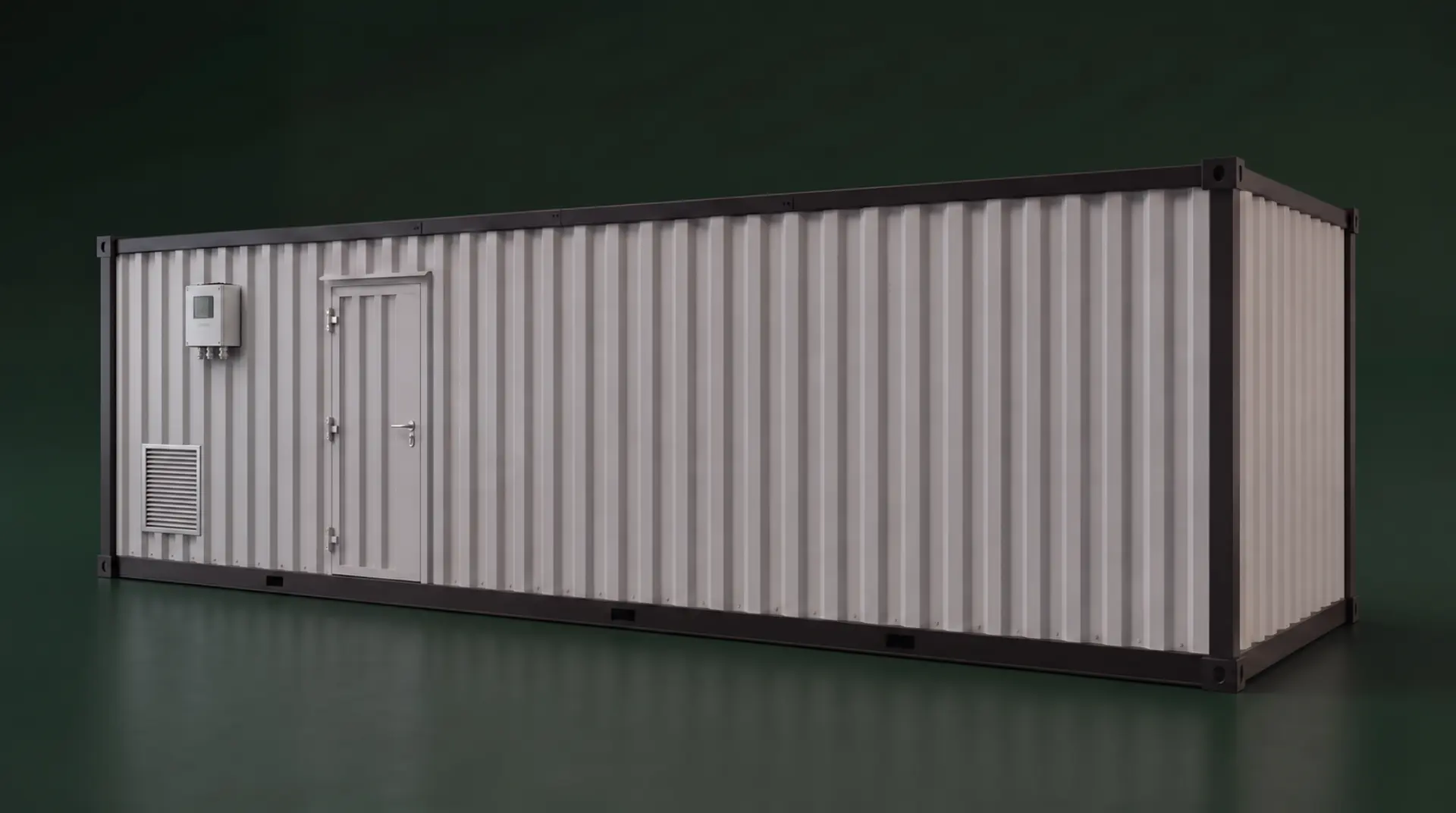
One C-300 module processes 300 Nm³/h of raw biogas in a 40-ft ISO container. Modules can operate in parallel for higher total flows. The published inlet basis is CH₄ 56% / CO₂ 44% / H₂S ≤300 ppm. Higher H₂S is assessed individually; O₂/N₂ polishing is a project-dependent option.
Module count, gas treatment, interfaces and operating personnel depend on the complete plant configuration. Performance guarantees apply for the agreed raw-biogas composition. Grid injection and carbonate off-take require their respective specifications and arrangements. Partner-model scope and availability are agreed per project.
 THIRD-PARTY INSPECTION
08 / ENGINEERED. TESTED. VERIFIED.
Bureau Veritas witnessed the pilot tests in Olloniego, Asturias, Spain on 11 September 2025. Its conclusion, issued on 30 September, found the installation functional and suitable for industrial application.
Each CarboLoop C-300 module processes 300 Nm³/h of raw biogas in a 40-ft container, and additional modules are installed in parallel to provide the required total plant capacity.
09 / TECHNICAL OVERVIEW
CarboLoop C-300 standard module. Guaranteed performance applies for an agreed raw-biogas composition.
300 Nm³/h
40-ft ISO container
| Parameter | CarboLoop C-300 |
|---|---|
| CH₄ in biomethane | >98% |
| H₂S at outlet | ≈1 ppm |
| Methane recovery | Near-complete — returned to product |
| CO₂ | Converted into marketable K₂CO₃ |
| Commercial products | Biomethane + potassium carbonate |
| Module capacity | 300 Nm³/h raw biogas |
| Format | 40-ft ISO container |
| Operators | Operating personnel requirements are determined for the complete plant configuration according to the number of modules, automation level and site operating conditions. |
| O₂/N₂ polishing | Optional add-on module |
Inlet basis: CH₄ 56% / CO₂ 44% / H₂S ≤300 ppm. Guarantees apply for an agreed raw-biogas composition. Higher H₂S is assessed case by case.
10 / LET’S TALK ABOUT YOUR PLANT
Send us your raw-biogas flow and composition. We will determine the required number of CarboLoop C-300 modules, the appropriate gas-treatment configuration and the indicative economics for your plant.
No obligation. We use your data only to prepare your calculation.
11 / QUESTIONS, ANSWERED
Biomethane is commonly called renewable natural gas (RNG) in North America. Both terms describe upgraded biogas used as a substitute for fossil natural gas. Suitability for a particular gas grid or end use depends on the agreed gas specification and project requirements.
CarboLoop C-300 is a containerised system that upgrades raw biogas to biomethane and converts captured CO₂ into potassium carbonate.
CO₂ is captured chemically and converted into marketable potassium carbonate. The carbon becomes a product with potential use in potassium fertiliser applications.
CO₂ conversion is integrated directly into the CarboLoop upgrading process. A single raw-biogas stream yields both biomethane and a marketable carbonate product, combining biomethane production as a renewable energy source with carbon capture and the production of a marketable material product.
We assess your feed gas against the receiving network’s specification. Where oxygen or nitrogen limits require further treatment, a dedicated O₂/N₂ polishing module is available.
The standard module handles 300 Nm³/h of raw biogas in a 40-ft ISO container. Multiple modules can be installed in parallel for higher flows, with the configuration determined from your plant data.
You can manage product sales yourself or explore an available partner model for reagent supply and carbonate off-take. The model and its availability are agreed for each project.
Send your raw-biogas flow, CH₄ and CO₂ content, H₂S level and plant location. These inputs help the team assess module count, gas treatment and the commercial configuration.